Debris Burning Safety Guide

Plan Ahead
Step 01 Know Before You Burn
-
Check local regulations and ordinances
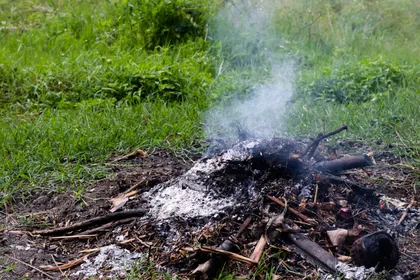
Search for ‘fire restrictions’ followed by your location, local public lands agency, or fire department. Always check to see if a permit is required and if burning is safe in your area.
-
Check the conditions
Don’t burn in windy conditions or when vegetation is very dry. Don’t start burn piles or set metal burn barrels near or on dry vegetation.
-
Burn this, not that
Burn dry, natural vegetation but never trash, treated lumber, plastic, or tires.
Step 02 What You’ll Need
-
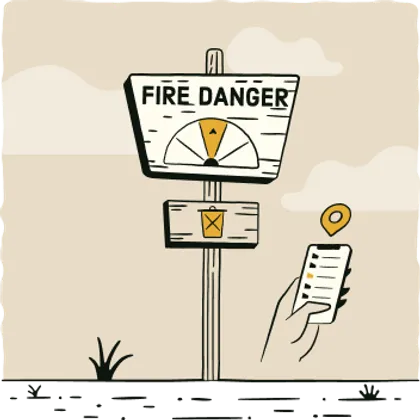
Make sure to have the appropriate tools available
- Tools: Bucket or large container filled with water, shovel, burn barrel (if available)
- Cellphone: Call 911 immediately in case of emergency — if your debris burn escapes or if embers ignite surrounding vegetation.

Stay Safe
Step 03 Pick Your Best Spot
-
Look up
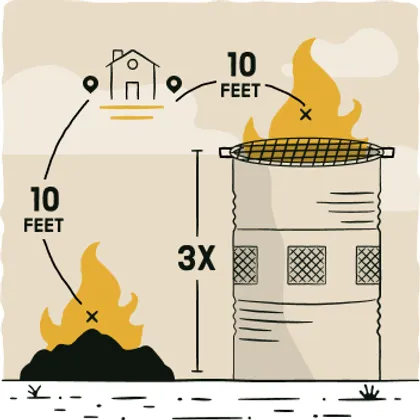
You need an overhead clearance of at least 3x the height of the pile, so stay away from power lines, overhanging limbs, buildings, vehicles, and equipment.
-
Look around
You need a clearance of at least 10 feet of gravel or dirt around the area. You will water this and the surrounding area when extinguishing the fire.
Step 04 Prepare Your Burn
-
If using a burn barrel...
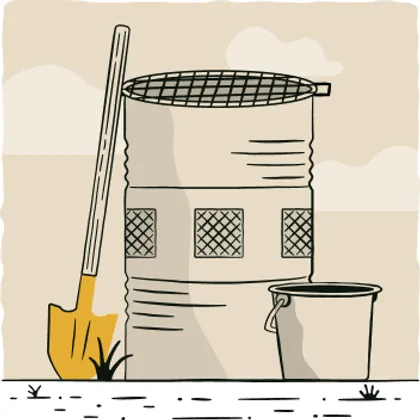
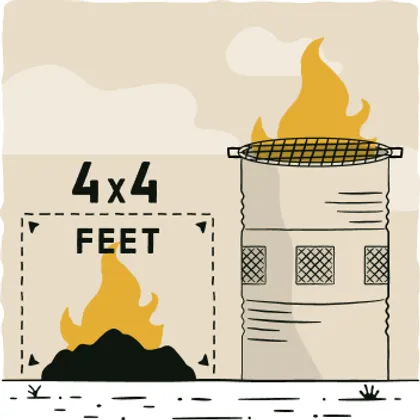
Make sure it’s metal, in good condition, and has at least three evenly-spaced, 3-inch screened vents and metal top screen to contain sparks, embers and ash.
-
Keep your burn pile small and manageable
Keep your burn pile to a maximum of 4 feet by 4 feet and add additional debris only after the fire has died down.
Step 05 Always Keep An Eye On Your Debris Burn
-
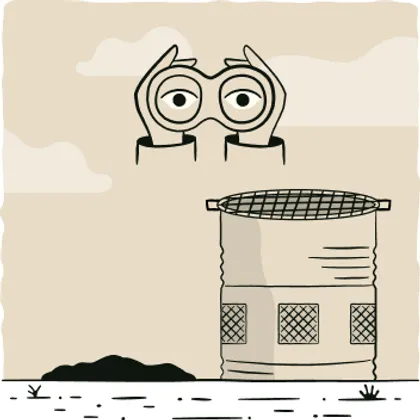
Never leave your debris burn unattended
Always keep an eye on your debris burn until it’s completely out — and be ready to act if embers or flare-ups occur. Don’t play around and keep an eye on children and pets.

Extinguish Your Fire
Step 06 Don’t Keep It Lit, Extinguish It
-
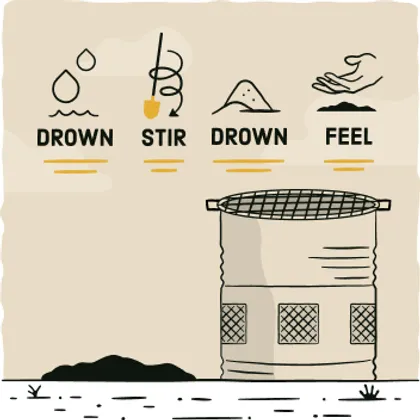
Drown
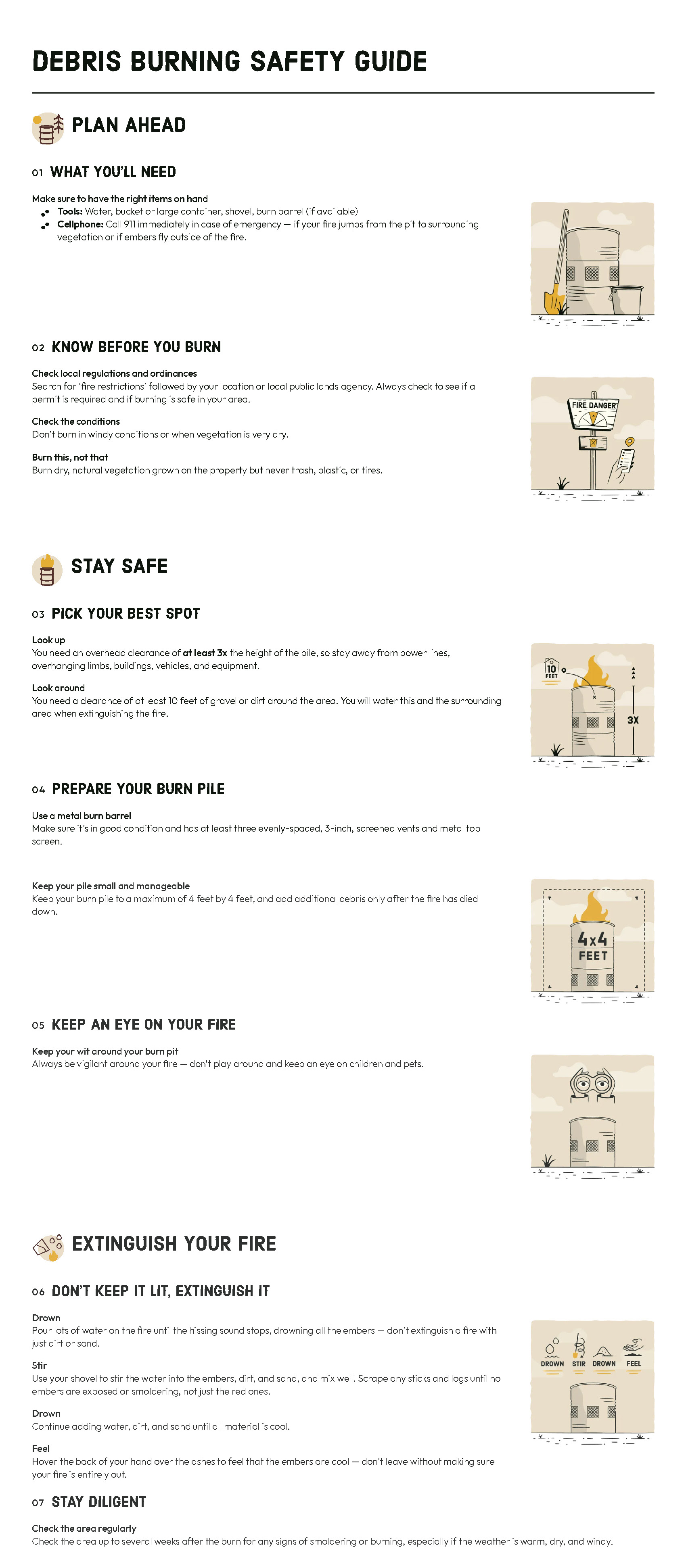
Pour lots of water on the fire until the hissing sound stops, drowning all the embers — don’t extinguish a fire with just dirt or sand.
-
Stir
Use your shovel to stir the water into the embers, dirt, and sand, and mix well. Scrape any sticks and logs until no embers are exposed or smoldering, not just the red ones.
-
Drown
Continue adding water, dirt, and sand until all material is cool.
-
Feel
Hover the back of your hand over the ashes to feel that the embers are cool — don’t leave without making sure your fire is entirely out.
Step 07 Stay Diligent
-
Check the area regularly
Check the area up to several weeks after the burn for any signs of smoldering or burning, especially if the weather is warm, dry, and windy.